The Complex Landscape of Jueteng and Its Intersection with Modern Betting Apps
Understanding Jueteng: A Historical Context
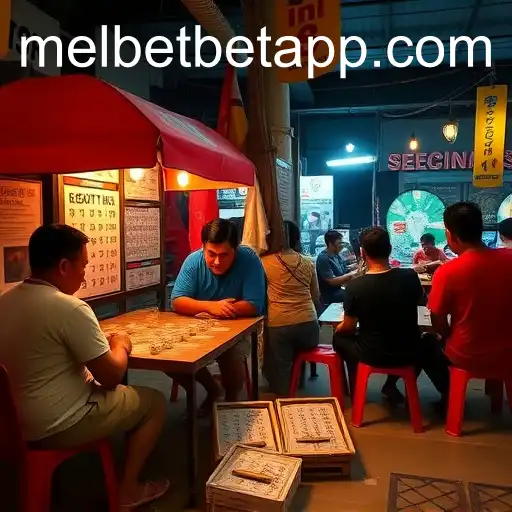
Jueteng is a popular numbers game in the Philippines, deeply rooted in the country's history and culture. Since its introduction during the Spanish colonization, this game has evolved into a significant part of Filipino society. While it operates illegally now, Jueteng's influence and reputation remain robust among the population, particularly in rural areas where economic opportunities are limited.
The game involves betting on a combination of numbers, usually from 1 to 37, with results drawn from a set of bolitas (small balls) chosen by a jueteng operator or a kubrador. Each bettor selects a pair of numbers, hoping that their chosen combination will match the ones drawn. Despite its straightforward nature, Jueteng's simplistic appeal has ensured its persistence over the years.
The Socio-Economic Impact of Jueteng
Jueteng thrives in regions where formal employment and income opportunities are scarce, providing a source of hope and financial possibility for many Filipinos. It serves dual purposes: offering participants a thrilling chance to win money and providing operators a profitable business model in an informal economy. However, it simultaneously contributes to a negative cycle of poverty, as bettors may spend significant portions of their limited income on what is essentially a game of chance.
Moreover, Jueteng can fuel corruption, involving local politicians, law enforcement, and community leaders who may turn a blind eye to or actively partake in the proceeds of these operations. The money from Jueteng often circulates back into communities in the form of bribes or funding for local political campaigns, perpetuating a complex web of dependence and mutual benefit.
The Legal Challenge: Attempts at Regulation
Throughout the years, both government and law enforcement agencies have made numerous attempts to curb the pervasive influence of Jueteng. However, these efforts have met with limited success due to the game’s deep cultural entrenchment and informal organizational structure. Attempts to replace Jueteng with state-sanctioned alternatives, like the Small Town Lottery (STL), have only seen varying degrees of effectiveness.
The inherent challenge lies in dismantling an activity that, while illegal, is perceived as a cultural staple and financial necessity by many. Far from being a mere game, Jueteng affects the social fabric of the communities where it flourishes.
Technology's Role in Modern Gambling
As technology continues to evolve, the gambling landscape is undergoing significant transformation as well. Online platforms, such as the Melbet app, have introduced a new era of betting and gaming convenience, allowing participants to wager on an array of sports and games from the comfort of their homes. The advent of these apps addresses a growing demand for remote and digital free lifestyle but also raises important considerations about accessibility and regulation.
In the case of Jueteng, the digital shift holds both potential and challenge. On the one hand, online betting apps present an opportunity to channel Jueteng operations into more regulated and transparent forms. On the other, the integration of digital platforms with an informal game raises significant concerns regarding oversight and equitable access.
Melbet App: Bridging Tradition and Modernity
The Melbet app serves as a prime example of how technology is intersecting with traditional gaming practices. By offering a diverse betting portfolio, the app caters to a wide audience with varying interests, potentially including those who traditionally participate in games like Jueteng. However, incorporating games synonymous with secrecy and community ties into a structured, regulated format could disrupt the cultural rationale behind Jueteng.
Interestingly, Melbet's foray into markets like the Philippines highlights the shift towards compromise between old and new. The app's sophisticated design and user-friendly interface aim to attract not only seasoned gamblers but also newcomers who may see digital platforms as a safer alternative to street-level games.
Challenges and Opportunities for Regulation and Growth
For countries grappling with illegal gambling, leveraging apps like Melbet presents a twofold opportunity. By adopting robust regulatory frameworks and promoting legal digital alternatives, governments can address the core incentives that uphold Jueteng while potentially securing increased revenue through taxation and licensing fees.
To harness these advantages, authorities must also tackle crucial issues such as digital literacy and equal internet access. By ensuring that rural and underserved populations can use these platforms without exploitation, countries can gradually transition traditional gambling practices towards more sustainable models.
A Future Outlook on Jueteng
As the world continues to adapt to technological advancements, Jueteng's future remains uncertain. On one side, the game’s strong cultural roots suggest that it may persist in its traditional form, despite external influences. On the other, the rising dominance of tech-based gambling solutions indicates an inevitable shift in how people engage with gambling activities.
Ultimately, the interplay between traditional games like Jueteng and modern technology represents a societal crossroads. By understanding and respecting the historical significance of Jueteng while embracing innovative approaches to regulation and engagement, stakeholders can navigate a path that honors cultural integrity while promoting economic opportunity.
diamondextreme